Operational excellence and psychological safety are not trade-offs.They are interconnected and inseparable.
If you lead or manage at the operational level, that’s where I focus: the complex space where strategic demands meet everyday reality and your people need your support. This usually comes at a price.
Mental and emotional strain build, often carried silently and maybe go unnoticed.
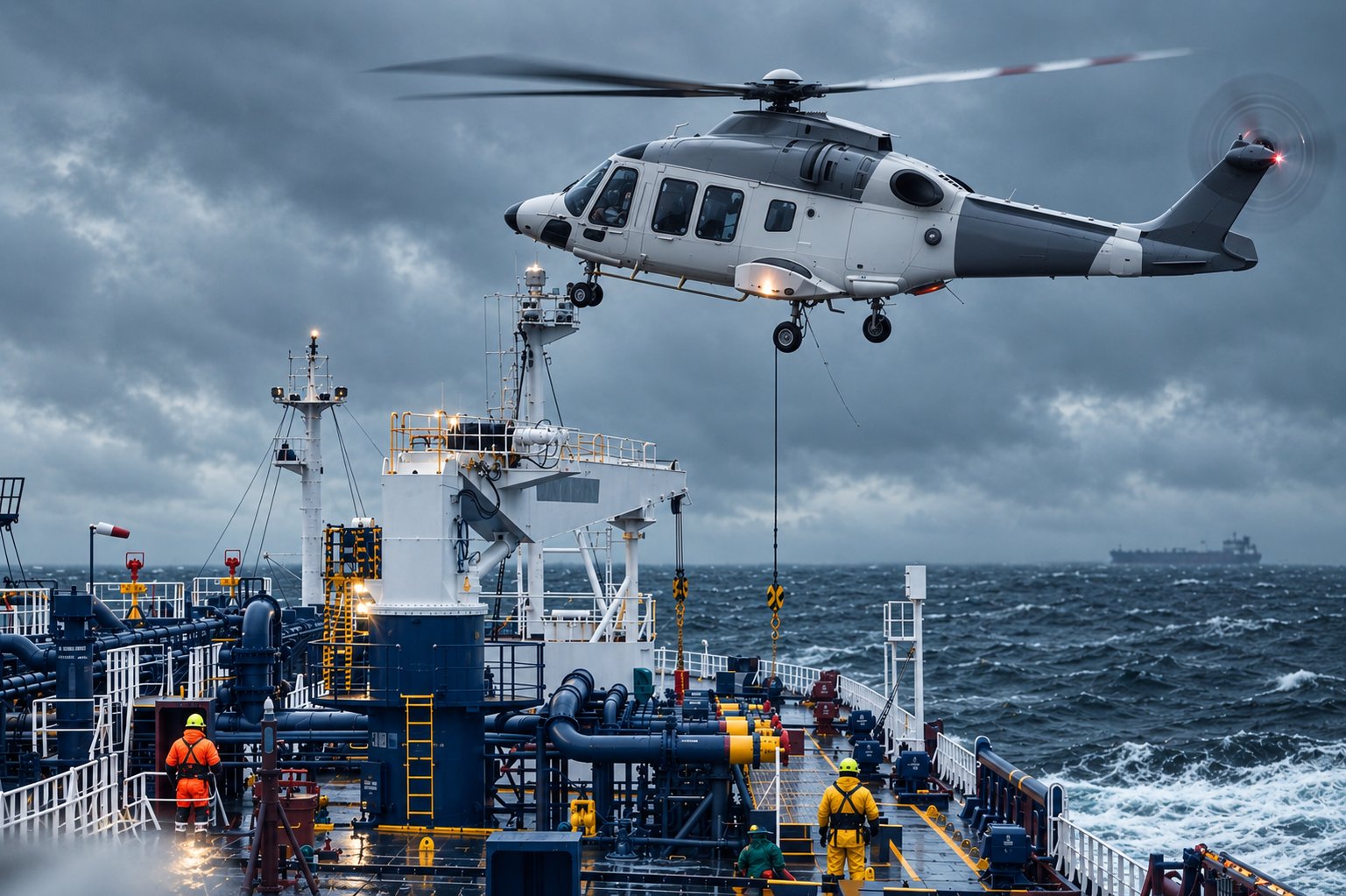
“In a perfect world, every workplace is safe, every employee is well, every person is engaged and productive, every organisation fulfils its moral and financial objectives, and everyone involved ‘does the right thing’. There are no risks to brand reputation, no workplace harassment claims, no compensation costs, no litigations, no retention issues …”
— Sonder
The cost is often carried quietly by people, long before it becomes visible.
The 3 ‘O’ Perspectives
Human safety is essential alongside technical and public safety. My focus is on strengthening the psychosocial dimensions of work and whether the work environment is supportive, rather than the cause of stress and strain. I use the 3 ‘O’ Perspectives to understand what creates personal safety in the work environment, not only what generates risk.
-
01
Organisational
How the broader environment impacts people in safety-critical rolese.g. leadership priorities, policies, resources, and accountability that shape the culture, making everyday work easier or harder.What is supported, and what needs attention?
-
02
Operational
How work is coordinated, led and supported in the reality of daily operationse.g. the decision-making, communication, competing priorities and performance pressures influencing how work is carried out under highly dynamic conditions.What makes your work possible, and what gets in the way?
-
03
Occupational
What it is like to be in the role and do the worke.g. role demands, pressure, responsibility, expectations, support, agency, and professional identity impacting wellbeing and ability to perform.What enables people to perform well, and what sustains them in the role?
My work focusses on what is working well, where there is room to strengthen and how this can be integrated across the organisation - from top down and bottom up.
Supporting people through the pressures of their work.Building safer, healthier workplaces.
Early in my flying career I sought the answer to one question, one that shaped my path, informed my philosophy and my choices:
How do we expect peak performance and good health,
without supporting the person behind the role?
At the heart of my work is a simple commitment: supporting people in high-pressure, safety-critical environments with curiosity, deep listening, support and care. As a pilot with experience across charter, commercial and airline operations, this question led to:
- Peer support
Facilitating the implementation of peer support programmes to address traumatic incidents and life crises. mayday-sa.org.za
- Policy
Contributing to international aviation mental-health policy through ICAO and IFALPA working groups.
- Coaching
As a certified coach with a master’s in Leadership Coaching, I work with operational leaders and with pilots to explore the pressures of their roles and the context around them.
- Training
Delivering training in active listening, feedback, just culture, and psychosocial and psychological safety.
- Emerging Work
Focusing on psychosocial safety and psychological support in civil aviation operations in conflict zones.

As a designated leader or manager, do you find yourself carrying the demands of both roles, often with little support, least of all for yourself?
I’m a listener with specialist knowledge. Someone who understands the language and lived reality of safety-critical environments from the inside, and brings that understanding to a coaching conversation, workshop, or training. I offer:
-

to think through the competing demands
A confidential space
-

on safety-critical environments so that you don’t have to explain the systemic pressures
An insider’s perspective
-

able to hold difficult, sensitive, or traumatic experiences without needing to “fix” them
A calm presence
-

connecting the challenges of the role with operational and organisational demands, to identify what is needed
A systemic view
The foundation of my work is providing a confidential space to think, identify what is happening, and consider what is needed. This may take the form of one-to-one coaching, a workshop or a facilitated conversation with the team.
Listening Conversations
One-to-one conversations for anyone negotiating the pressures of a safety-critical role. A confidential space to think out loud and work through what is difficult to discuss at work.
Leadership Advisory
For operational leaders who want to think through their ‘duty of care’ mandate, looking at the challenges and the psychosocial factors involved.

Team & Culture Work
Surfacing what goes unspoken in organisational teams, connecting the challenges of the role to the operational and organisational patterns around it.
Workshops
Practical sessions for teams and leaders on communication under pressure, conflict in safety-critical teams, peer support design, and building a healthier safety culture.
If you are considering how to balance the demands of your role, or how to support your team or operation, get in touch.
Sometimes, a conversation can help identify what is happening and where to begin.
Questions you may have
Is it confidential?
Yes. What is said in a conversation stays in it. Where an organisation commissions the work, it receives nothing about individual sessions; at most anonymised themes, agreed with the people involved.
What does the terminology mean?
Psychological safety is feeling able to speak up without fear.
Psychosocial safety is an organisation taking responsibility for the conditions that protect people’s psychological health.
In person or online?
Both. One-to-one and advisory conversations work well online and can be scheduled around a roster. Team and culture work and workshops are usually better in the room.
Who could benefit?
Operational leaders and managers who want to strengthen how their organisation supports its crews. Pilots and other frontline staff in safety-critical roles who want a confidential space to reflect. If you work in or around a safety-critical environment, you are welcome.